The technology leader ensuring safety on roads and worksites – Sungwon Safety Co., Ltd.
SA Permanent Anchor
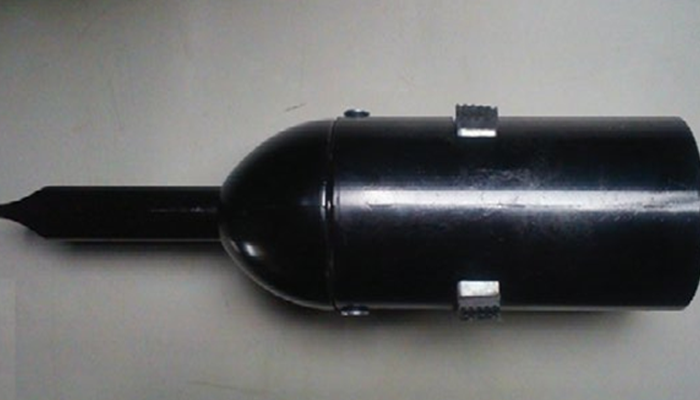
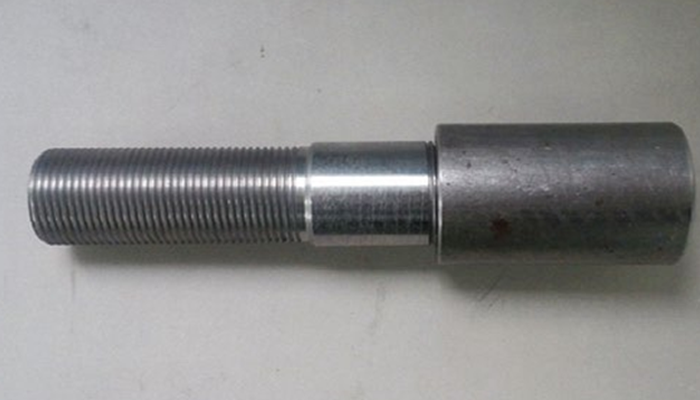
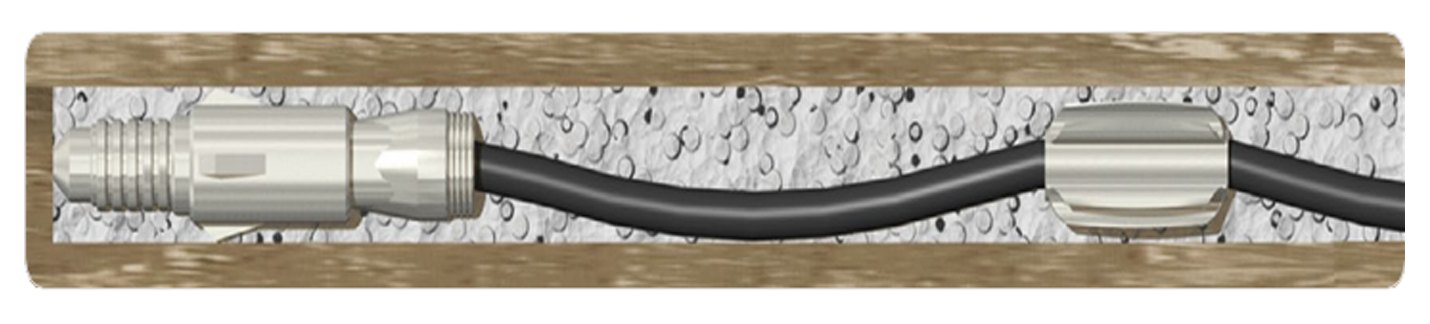
After drilling, the wedge cone of the anchor head is precisely fixed together with the anchoring blades into the anchor head.
01
Method Overview
After drilling the anchor head, the wedge cone is tightened with the anchoring blades to ensure precise fixation to the anchoring head, while the PC strands are tensioned to prevent sagging. This enhances bearing capacity during ground movement, secures pull-out force before grouting, and simplifies the overall construction process.
02
Features & Benefits
Ensures pull-out force, preventing initial tensile loss caused by slippage.
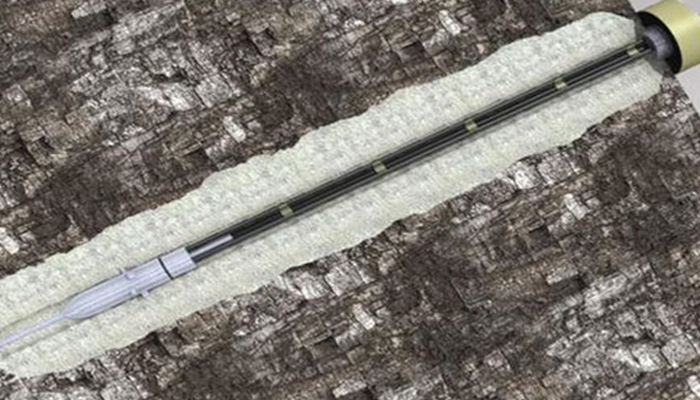
Pre-tensioning before grout injection allows for securing a consistent pull-out force, enabling the grouting process to be completed in a single operation.
By performing pre-tensioning before grout injection, it prevents the elongation of PC strands — a common issue in conventional anchor installations.
Factory fabrication enables single-step completion of grouting and bearing plate installation, ensuring rapid adaptability during on-site construction.
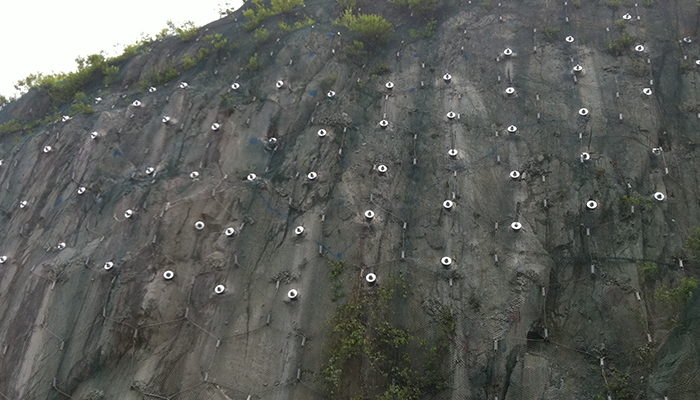
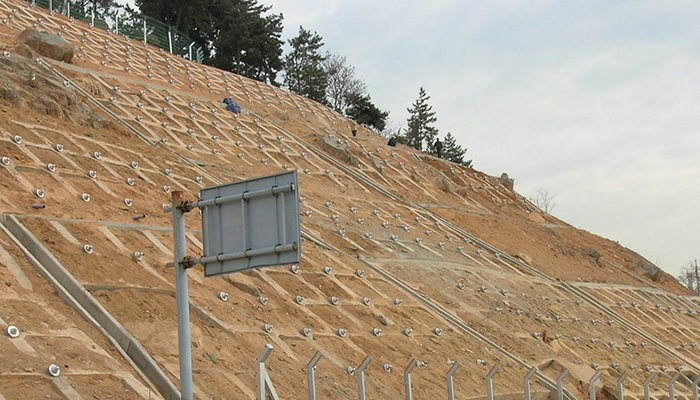
SA-Permanent Anchor Head
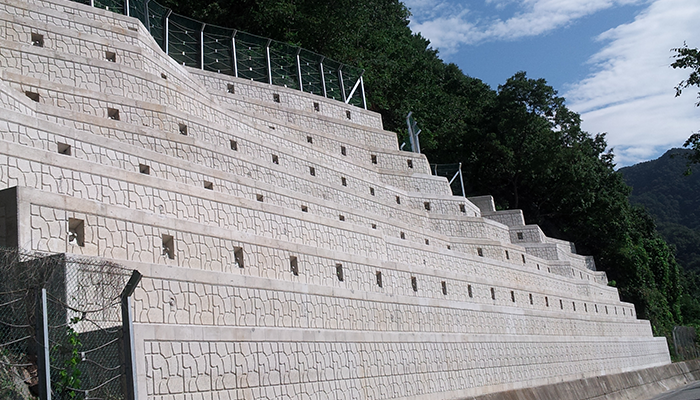
After grout insertion
03
Certifications and Patents
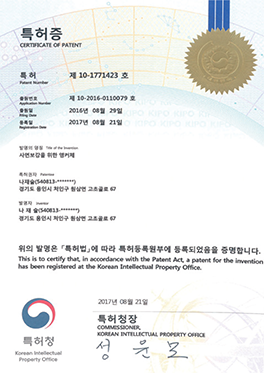
Patent No. 10-1771423
ISO 9001
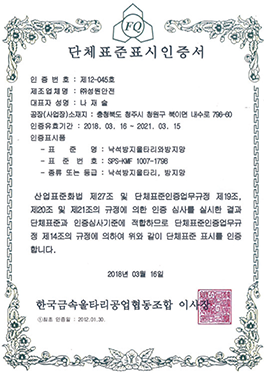
Association Standard Certification
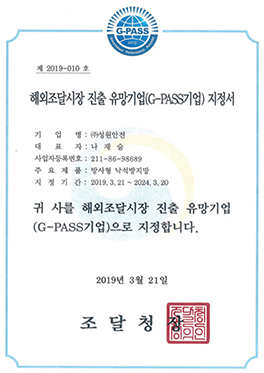
Public Procurement Service (PPS) G-PASS Certificate
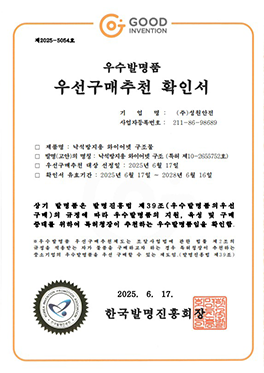
Excellent Invention Certification
01
시공과정
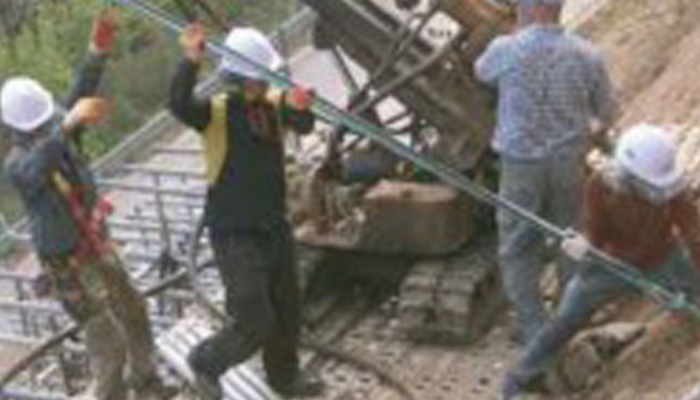
Drilling Considering the position, drilling diameter, length, and direction according to the design documents, In ground conditions where the borehole wall cannot stand on its own, drilling is performed while inserting a casing.
Anchor Assembly and Installation It must be positioned at the center of the hole, and spacers are used for connecting the nailing materials. Care should also be taken to ensure that the surface coating layer is not damaged or peeled off.
Grouting Ordinary Portland cement or high-early-strength cement is generally used, and the grout mixture follows the standard specifications.
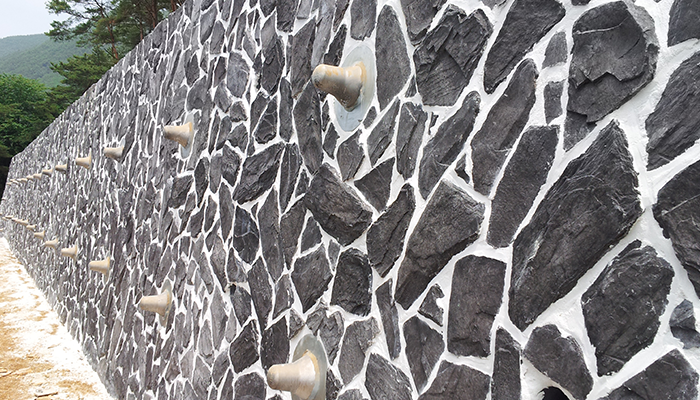
Bearing Plate Installation Tightening is performed to ensure that the bearing plate (head) is completely and securely in contact with the cut surface.